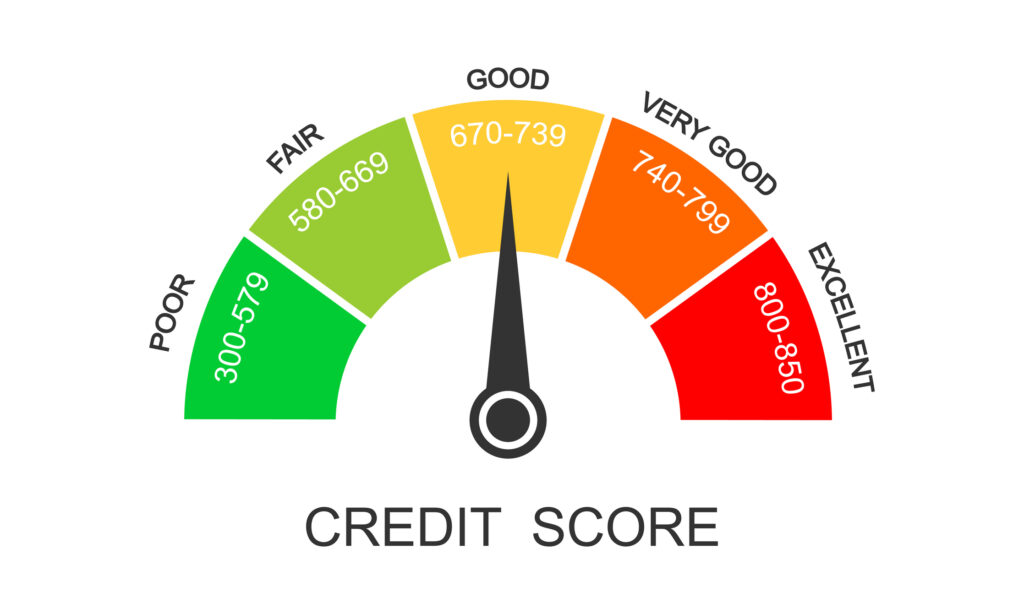
A credit score is one of the most important numbers in your financial life. It can decide whether you get a loan, a credit card, or even a good interest rate. The good news? You can improve your credit score faster than you think if you follow the right steps.
In this easy guide, we will explain:
- What a credit score is
- Why it matters
- What affects your score
- Simple ways to improve your score quickly
- Common mistakes to avoid
- FAQs
Let’s get started.
What Is a Credit Score?
A credit score is a number that shows how trustworthy you are when borrowing money.
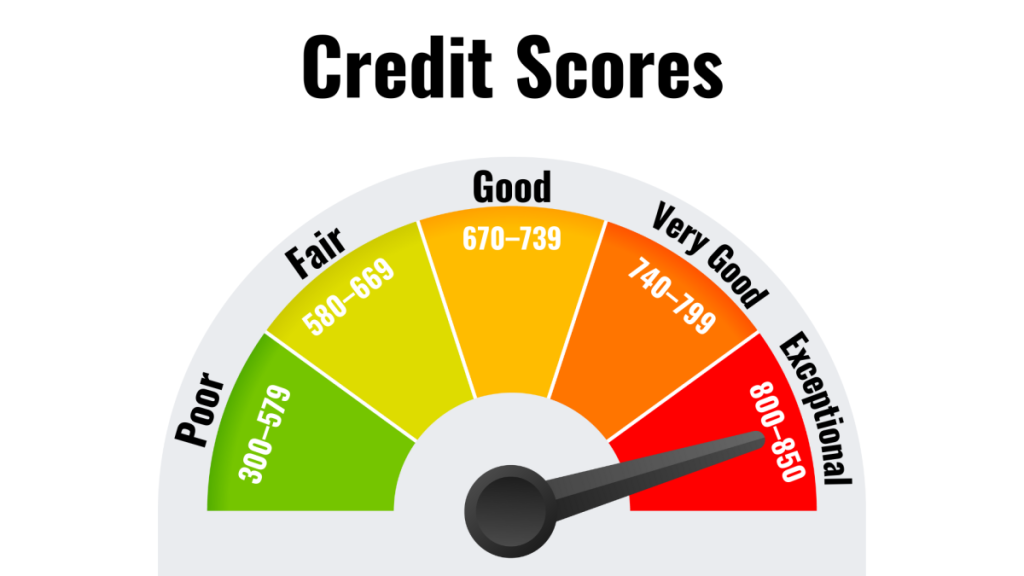
It usually ranges from 300 to 850.
A higher score means you handle money responsibly.
Simple Example
If you pay your bills on time and don’t borrow too much, your credit score goes up.
If you delay payments or use too much credit, your score goes down.
Why Is a Credit Score Important?
Your credit score affects many parts of your life. A good score can save you hundreds or even thousands of dollars.
With a high credit score, you can:
- Get loans easily
- Pay lower interest rates
- Get higher credit limits
- Rent a house without issues
- Apply for credit cards with rewards
With a low credit score, you may:
- Face loan rejection
- Pay higher interest rates
- Get low credit limits
- Struggle to rent a home
So improving your credit score is a smart move.
How Is a Credit Score Calculated?
Credit bureaus look at several factors to build your score.
Here’s the breakdown:
✔ Payment History (35%)
Do you pay your bills on time?
✔ Credit Utilization (30%)
How much of your available credit are you using?
✔ Credit Age (15%)
How long you have had credit accounts.
✔ Credit Mix (10%)
Different types of credit like loans, credit cards, etc.
✔ New Credit (10%)
How often you apply for new credit.
How to Improve Your Credit Score Quickly
Here are the fastest and safest ways to improve your credit score. These methods work for everyone.
1. Pay Your Bills on Time (Most Important Step)
Late payments hurt your score the most.
Start paying all bills before the due date — even if it is the minimum amount.
Quick Tip
Set reminders or automatic payments.
2. Lower Your Credit Card Balance (Best Quick Boost)
Your score jumps quickly when you lower your credit usage.
Try to use less than 30% of your total credit limit.
Example
If your limit is $1,000, keep spending under $300.
3. Don’t Apply for Too Many Loans at Once
Every time you apply for credit, your score drops a little.
Only apply when necessary.
4. Keep Old Accounts Open
Older accounts increase your credit age, which helps your score grow.
5. Check Your Credit Report for Errors
Sometimes the credit report has mistakes.
A wrong late payment can drop your score.
Fix it by:
- Getting your free credit report
- Reporting errors to the credit bureau
6. Become an Authorized User (Fast Trick)
If a friend or family member has a good credit card:
- They add you as authorized user
- Their strong history boosts your score
This is one of the fastest legal methods.
7. Pay Off Small Debts First (Snowball Method)
Clearing small debts quickly reduces your credit burden and increases your score.
8. Use a Secured Credit Card
If you have no credit or poor credit, apply for a secured card.
Use it for small purchases, pay on time, and watch your score climb.
Common Mistakes That Hurt Your Credit Score
Avoid these to keep your score healthy:
- Paying bills late
- Using too much credit
- Closing old accounts
- Applying for loans too often
- Ignoring credit report errors
How Long Does It Take to Improve a Credit Score?
You can see small improvements in 30–60 days if you:
- Pay bills on time
- Reduce credit card balances
- Fix errors
Big improvements may take 3–6 months, depending on your financial habits.
Benefits of a High Credit Score
A strong credit score leads to long-term benefits:
- Lower interest rates
- Higher loan approval chance
- Better credit card options
- Easier car or home loans
- Better insurance rates (in some cases)
FAQs
1. What is the fastest way to improve my credit score?
Lower your credit card balance and pay bills on time.
2. Does checking my credit score lower it?
No. Checking your own score does not affect it.
3. Can I improve my score without a credit card?
Yes, by paying loans on time and using alternative credit-building tools.
4. What credit score is considered “good”?
A score above 700 is generally good.
5. How long do late payments stay on my credit report?
Usually 7 years, but the impact reduces over time.
Final Thoughts
A credit score may look complicated, but improving it is simple.
Focus on the basics:
- Pay on time
- Use less credit
- Keep accounts open
- Avoid too many new loans
Follow these steps, and you will see your credit score rise in a short time.